Final blog post
🌪️🌞 Belize’s Biggest Natural Hazards
Belize is known for its beautiful beaches, lush jungles, and vibrant culture — but like many small coastal nations, it's no stranger to nature’s darker side. Two natural hazards pose the biggest threats to life, the economy, and the environment in Belize: hurricanes and droughts.
🌀 Hurricanes: Fast and Furious
Every year from June to November, Belize faces the risk of powerful hurricanes sweeping in from the Atlantic. These storms are no joke. With their intense winds, torrential rains, and dangerous storm surges, hurricanes can flatten homes, flood towns, and knock out power and communication systems in a matter of hours. Because Belize lies in a high-risk zone for tropical storms, it’s especially vulnerable — and climate change is only making these storms stronger and more unpredictable.
Why is this a priority? Because one major storm can undo years of progress. It threatens lives, displaces families, and damages tourism and infrastructure, costing millions. That’s why preparing for hurricanes with strong building codes, early warning systems, and community awareness is absolutely essential.
🔥 Droughts: The Silent Struggle
While hurricanes strike suddenly, droughts creep in quietly — and can be just as devastating. Belize has been experiencing longer and more intense dry periods, putting pressure on agriculture, water supplies, and even electricity production. Crops like sugarcane and citrus are suffering, livestock are going thirsty, and water levels in reservoirs like the Fortis Dam are dropping, risking power shortages.
Why focus on droughts? Because they threaten the very basics of life: food, water, and energy. With climate change driving longer dry spells and higher temperatures, droughts are no longer rare events — they’re becoming a regular part of life. That’s why investing in climate-smart farming, better water management, and drought-resilient infrastructure is more important than ever.
Sources:https://www.worlddata.info/america/belize/hurricanes.phphttps://m.nms.gov.bz/climate-services/drought-forecast/
🌀 Hurricane Risk Areas
Belize City
- Vulnerability: Belize City is highly susceptible to hurricane damage due to its low-lying coastal location and exposure to storm surges. The city has experienced significant destruction in the past, notably during Hurricane Hattie in 1961, which led to substantial financial losses and prompted the relocation of the capital to Belmopan
- Current Risk: Approximately 42% of Belize City's residents live in low-quality housing, often constructed with materials like plywood or metal sheets, which are vulnerable to high winds and flooding.
Coastal Districts (e.g., Corozal, Orange Walk, Belize District)
Vulnerability: These areas are directly in the path of hurricanes and are prone to flooding due to their proximity to the coast. Infrastructure in some regions may not be adequately prepared for severe storm events.
In addition, National Resilience Planning development coordinated plans across sectors to address climate risks. Collaborate with international partners for financial and technical support, or involve local communities to ensure solutions are practical and widely supported.
🔥 Drought Risk Areas
Toledo District
- Vulnerability: Toledo is one of Belize's most agriculturally dependent regions, with communities heavily reliant on farming. Drought conditions have led to crop failures and water shortages, exacerbating food insecurity
Vulnerability: While not as severely affected as Toledo, Cayo has experienced periods of drought that impact water availability and agriculture. The region's agricultural sector could benefit from improved water management practices.
Infrastructure Enhancement: Strengthen buildings and infrastructure in high-risk areas to withstand hurricane impacts.
Early Warning Systems: Implement and maintain effective early warning systems to alert communities about impending hurricanes and drought conditions
Water Management: Develop and promote water conservation and management strategies, especially in drought-prone regions.
Community Education: Educate communities about disaster preparedness and resilience-building measures.
By focusing efforts on these high-risk areas and implementing targeted mitigation strategies, Belize can enhance its resilience to both hurricanes and droughts, safeguarding its communities and resources for the future :)
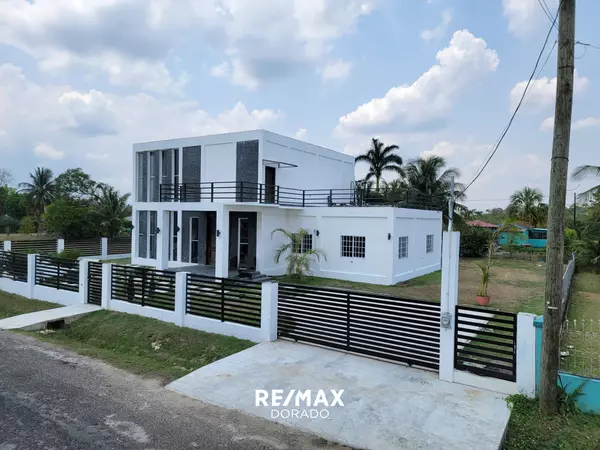
If I had to build a house in Belize for safety and mitigation purposes, it is Inland & Elevated, located about 50 miles inland and 250 feet above sea level, Belmopan is safely away from the coast, reducing the risk of storm surges and flooding caused by hurricanes. Also, it has Low Hurricane Impact. It was specifically chosen as the new capital after Hurricane Hattie devastated Belize City in 1961, making it one of the safest urban areas in the country when it comes to hurricanes.
In conclusion, it has Reliable Infrastructure: As the national capital, Belmopan has better infrastructure, government presence, and emergency services, improving disaster response and preparedness. Moderate Drought Risk compared to southern agricultural districts like Toledo or Cayo, Belmopan has moderate rainfall and access to water resources, making it more resilient to drought.
Here is a picture of a house located there, and one I would build to look like this type of design.


Comments
Post a Comment